Moving Packing List: Everything You Need Before You Start Packing
If you are getting ready to move, this moving packing list will help you gather the supplies you need before you start filling boxes. From packing tape and labels to moving bags, mattress covers, and first-night essentials, these are the things that make packing easier and help you stay organized during a move.
Moving always sounds simple until you are standing in the middle of a room with half-built boxes, missing tape, and one random marker that keeps disappearing every time you need it.
A good moving packing list makes everything easier because you can gather what you need before the packing chaos starts. Whether you are packing up a whole house, helping a college student move, or just trying to get organized before moving day, these packing supplies can save you a lot of frustration.
This list includes the moving supplies you will actually use, plus a few things people often forget until it is too late.
Moving Packing List: Supplies You Need Before You Start
Before you start packing, it helps to have the basic supplies ready to go. You do not need every moving product out there, but there are a few things that make the process so much easier.
Here are the moving packing supplies worth having on hand.
Moving Boxes in Different Sizes
You will need boxes, but the size matters more than people think.
Large boxes are great for lightweight items like bedding, pillows, stuffed animals, towels, and seasonal clothes. Smaller boxes are better for heavier things like books, canned food, dishes, tools, and office supplies.
It is tempting to throw everything into the biggest box you can find, but that gets old fast when you have to actually lift it.
These medium moving boxes are a practical size for packing everyday household items like books, kitchen supplies, linens, office items, and smaller decor. Each box holds up to 65 pounds when packed properly, ships flat for easy storage, and can be reused for organizing or storage after the move.

Packing Tape
Packing tape is one of those things you will use way more than you think. You will need it for building boxes, sealing boxes, reinforcing the bottom of heavier boxes, and fixing the random box that starts falling apart at the worst possible time.
Buy more than one roll. Moving is not the time to be conservative with tape.
This Scotch heavy duty packing tape is a moving essential for sealing boxes securely so they stay closed during packing, loading, and storage. Each roll comes with its own dispenser, which makes it easier to tape up boxes quickly without hunting for scissors or a separate tape gun.

A Good Tape Dispenser
A tape dispenser is not technically required, but it makes packing so much faster. Trying to find the end of the tape every time you close a box gets annoying quickly.
A good tape dispenser helps you seal boxes faster and keeps the tape from sticking back to itself every five seconds.
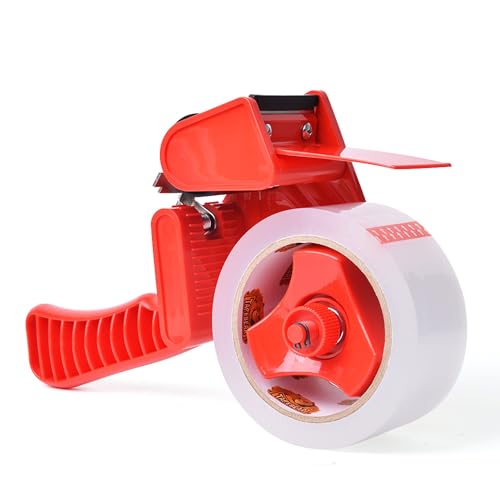
This TAPEBEAR packing tape is a helpful option if you want a full-size tape dispenser for sealing moving boxes faster. The clear heavy duty tape is designed to hold boxes closed during packing, moving, shipping, or storage, and the included dispenser makes it easier to cut and apply without the tape sticking to itself.
Moving Labels
Moving labels are one of the easiest ways to stay organized. You can use color-coded labels for each room, fragile labels for breakables, or simple blank labels that let you write exactly what is inside each box.
Label the side of the box, not just the top. Once the boxes are stacked, you probably will not be able to see the top.
These Lrogoe moving box labels make it easier to keep track of what goes where during a move. The color-coded room labels help movers or family members quickly see where each box belongs, while the writable notes area lets you add details like “kids’ bedding,” “coffee mugs,” or “open first” so you are not digging through every box later.

Permanent Markers
You will want permanent markers in more than one room. Somehow, the marker always walks away right when you need it.
Use markers to label the room, general contents, and whether a box needs to be opened right away.
Example labels:
Kitchen: Plates and bowls
Bathroom: Towels and toiletries
Kids’ Room: Pajamas and favorite blankets
Open First: Chargers, paper towels, toilet paper
These Sharpie permanent markers are perfect for labeling moving boxes so you can quickly see what is inside and where each box belongs. The large chisel tip makes the writing easy to read, and the permanent ink works on cardboard, packing tape, plastic bins, and other moving supplies.

Packing Paper
Packing paper is one of the most useful moving supplies, especially for kitchen items. Use it to wrap dishes, glasses, mugs, serving bowls, picture frames, and decor.
You can use towels and clothes for some fragile items, but packing paper is easier when you are trying to keep things clean and organized.
This onesimcr honeycomb wrapping paper is a more sustainable alternative to bubble wrap for protecting fragile items during a move. Use it to wrap dishes, glasses, mugs, vases, decor, and other breakables before placing them in boxes. The honeycomb paper adds cushioning to help prevent scratches and damage, and it comes with fragile stickers so your most delicate boxes are easy to spot.

Bubble Wrap or Foam Pouches
Bubble wrap and foam pouches are helpful for anything fragile or awkward to pack. They work well for glassware, mugs, small picture frames, keepsakes, holiday decorations, and anything you really do not want to replace.
Foam pouches are especially nice for dishes and glasses because they are quick to use and help keep things separated.
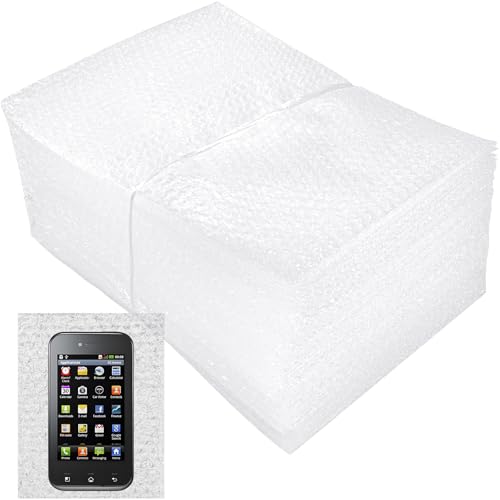
These V-chen bubble pouches are an easy way to protect smaller fragile items without having to cut and tape sheets of bubble wrap. Use them for jewelry, ornaments, makeup, small dishes, electronics, cords, accessories, and other breakables that need extra cushioning during a move, shipping, or storage.
Stretch Wrap
Stretch wrap is one of those moving supplies you may not think to buy, but it is weirdly useful.
You can use it to keep drawers closed, bundle awkward items together, wrap furniture, secure cords, or keep small parts attached to larger items. It is also great for wrapping things that do not fit neatly in a box.
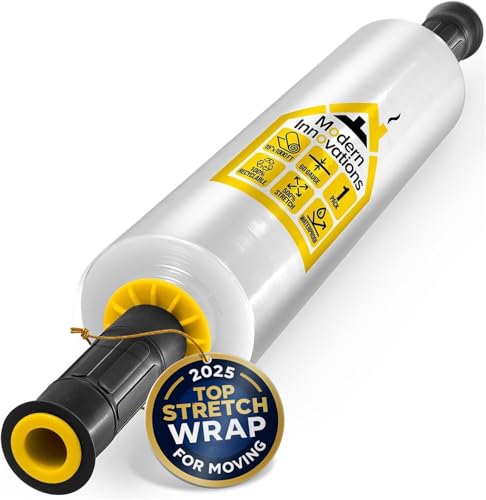
This Modern Innovations clear stretch wrap is a useful moving supply for wrapping furniture, couch cushions, luggage, rugs, bins, and other bulky items. It helps protect pieces from dust, dirt, moisture, and scratches during moving or storage, and the included handles make it easier to wrap larger items without straining your hands.
Moving Bags
Moving bags are amazing for soft things like clothes, bedding, towels, pillows, stuffed animals, and winter gear. They are usually easier to carry than boxes and can be squeezed into awkward spaces in a car or moving truck.
These are especially useful if you are helping a college student move or packing bedrooms quickly.
These reusable FYGRIP moving bags are a great alternative to boxes for packing clothes, bedding, towels, dorm supplies, and other soft household items. The large zippered opening makes them easy to fill, while the reinforced handles make them easier to carry during a move, college drop-off, or storage cleanout. When you’re done, they fold flat so you can store them away and use them again.

Mattress Bags
A mattress bag is easy to forget, but it is worth having before moving day. Mattresses get dragged through doorways, hallways, moving trucks, driveways, and who knows what else.
A mattress bag helps keep your mattress cleaner during the move and makes the whole thing feel a little less gross.
These TICONN plastic mattress bags help protect mattresses from dust, dirt, moisture, and damage during a move or while in storage. Just slide the mattress inside, fold the extra plastic over, and secure it with packing tape before loading it onto the truck or storing it away.

Moving Blankets
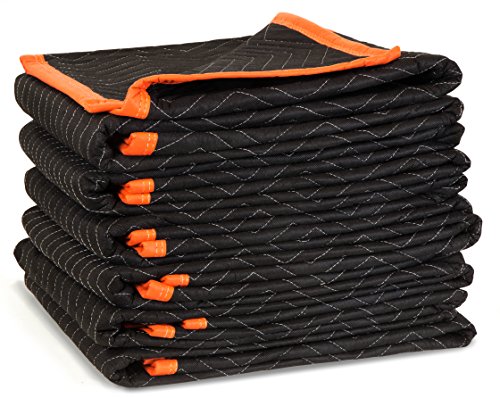
Moving blankets help protect furniture, mirrors, TVs, dressers, and anything that could get scratched in the moving truck. You can also use old blankets or towels, but actual moving blankets are helpful if you have heavy furniture or a longer move.
These WEN padded moving blankets help protect furniture, appliances, and other large items from scratches, dents, and scuffs during a move. Use them to cover dressers, tables, chairs, nightstands, or anything with corners that could get damaged in the moving truck. They are also washable, so you can reuse them for future moves, storage, or home projects.
Utility Knife or Box Cutter
You will need this more when you unpack, but keep one handy while packing too. A utility knife makes it easier to break down boxes, cut tape, open packaging, and deal with all the random moving-day problems that pop up.
Just make sure you keep it somewhere safe and easy to find.
These M MEEPO folding box cutters are useful to have on hand for opening moving boxes, cutting packing tape, breaking down cardboard, and trimming other packing materials. The 4-pack makes it easy to keep one in a few different rooms during unpacking, and the extra replacement blades help you keep cutting safely and cleanly throughout the move.

How to Get Your Moving Boxes Ready
I made a quick video showing how to use a moving box because sometimes even the basic parts of moving feel annoying when you are already overwhelmed. Once you have your boxes, tape, and labels ready, getting the box built correctly is the first step.

When you build a moving box, make sure the bottom is taped well before you start adding anything heavy. For heavier boxes, add extra tape across the bottom seam so the box does not split open when someone picks it up.
Moving Packing List for Fragile Items
Fragile items need a little extra planning. This is especially true for kitchens, decor, framed photos, mirrors, and anything sentimental.
Keep these packing supplies ready for fragile items:
- Packing paper
- Bubble wrap
- Foam pouches
- Painter’s tape
- Moving blankets
- Fragile labels
- Small and medium boxes
- Towels or dishcloths for extra padding
For dishes, stack them vertically when possible instead of laying them flat. For glasses and mugs, wrap each one separately and fill empty space in the box so nothing shifts around.
Do not leave empty gaps in boxes with breakable items. Movement is what causes a lot of damage during a move.
What to Pack First When Moving
Start with the things you do not use every day. This helps you make progress without making your house impossible to live in.
Good things to pack first:
- Seasonal decorations
- Off-season clothes
- Books
- Extra blankets
- Guest room items
- Decor
- Keepsakes
- Rarely used kitchen tools
- Extra towels
- Craft supplies
- Holiday items
- Formal dishes
- Storage closet items
Packing these things first helps you clear space without accidentally packing the things you still need.
What Not to Pack Too Early
Some things need to stay out until the end. You do not want to dig through sealed boxes looking for school clothes, medication, chargers, or the one pan you still need to make dinner.
Do not pack these too early:
- Medications
- Important documents
- Phone chargers
- Laptop chargers
- School supplies
- Work supplies
- Toiletries
- Basic cooking supplies
- Pet food
- Kids’ comfort items
- Pajamas
- A few days of clothes
- Paper towels
- Toilet paper
- Cleaning supplies
Keep these in a clearly labeled box, bin, or bag so they do not get mixed in with everything else.
Pack a First-Night Box
A first-night box is one of the best moving tricks because it keeps you from digging through every box the first night in your new place.
This should be the box you keep with you or load last so it is easy to find.
Add these items to your first-night box:
- Toilet paper
- Paper towels
- Hand soap
- Trash bags
- Cleaning wipes
- Shower curtain liner
- Towels
- Pajamas
- A change of clothes
- Medications
- Phone chargers
- Paper plates
- Plastic utensils
- Snacks
- Water bottles
- Basic tools
- Box cutter
- Pet food
- Kids’ bedtime items
- Nightlight
Moving Packing List for the Kitchen
The kitchen is usually one of the worst rooms to pack because there are so many breakable, awkward, and oddly shaped items.
Start with things you do not use often, like serving dishes, extra mugs, small appliances, baking tools, and specialty cookware. Save the basics for last so you can still make simple meals.
Kitchen packing supplies to have ready:
- Small and medium boxes
- Packing paper
- Bubble wrap
- Foam pouches
- Packing tape
- Permanent markers
- Plastic bags for small parts
- Labels
- Dish towels for extra padding
Before moving day, toss expired food, donate unopened food you will not use, and avoid packing anything that could leak all over a box.
Moving Packing List for Bedrooms
Bedrooms can be easier to pack if you use a mix of boxes, moving bags, and suitcases.
Use moving bags for clothes, bedding, pillows, and soft items. Use suitcases for heavier clothes, shoes, and anything you want to keep easy to access.
Bedroom packing supplies to have ready:
- Moving bags
- Suitcases
- Medium boxes
- Labels
- Markers
- Mattress bags
- Trash bags for donations
- Vacuum storage bags if needed
Keep a few days of clothes, pajamas, and toiletries out until the end.
Moving Packing List for Bathrooms
Bathrooms are easy to leave until the last minute, but they can turn into a mess fast if you do not pack them carefully.
Bathroom packing supplies to have ready:
- Plastic bags for toiletries
- Small boxes
- Labels
- Cleaning wipes
- Trash bags
- Paper towels
- Tape
- Permanent marker
Make sure bottles are closed tightly before packing them. Put anything that could leak inside a plastic bag before placing it in a box.
Keep medications with you instead of packing them in the moving truck.
Moving Packing List for Kids
Moving with kids adds another layer of chaos. Keep a small bag or bin for each child with the things they will need right away.
Pack these separately:
- Pajamas
- A few outfits
- Favorite blanket or stuffed animal
- Toothbrush and toothpaste
- Hairbrush
- School supplies
- Snacks
- Water bottle
- Chargers
- Comfort items
- A small activity or book
This can make the first night much easier, especially if everyone is tired and overstimulated.
Moving Packing List for Pets
Pets need their own moving essentials too. Keep their supplies easy to grab so you are not searching through boxes when they need food, water, or a leash.
Pet moving essentials:
- Food
- Water bowl
- Food bowl
- Leash
- Collar
- Updated ID tag
- Crate or carrier
- Medication
- Waste bags
- Cleaning supplies
- Favorite blanket or toy
- Vet records if needed
Moving Day Essentials to Keep Handy
There are some things you will want available on moving day instead of packed away.
Keep these in your car or in a clearly labeled moving-day bin:
- Phone charger
- Water bottles
- Snacks
- Paper towels
- Toilet paper
- Hand soap
- Trash bags
- Cleaning wipes
- Basic tools
- Box cutter
- Tape
- Markers
- Important documents
- Medication
- Pet supplies
- Kids’ essentials
- First aid kit
Moving day is chaotic enough. Keeping the basics handy makes a big difference.
Printable Moving Packing List
Want to make packing easier? Print this moving packing list before you start so you can check off your supplies and stay organized as you pack.
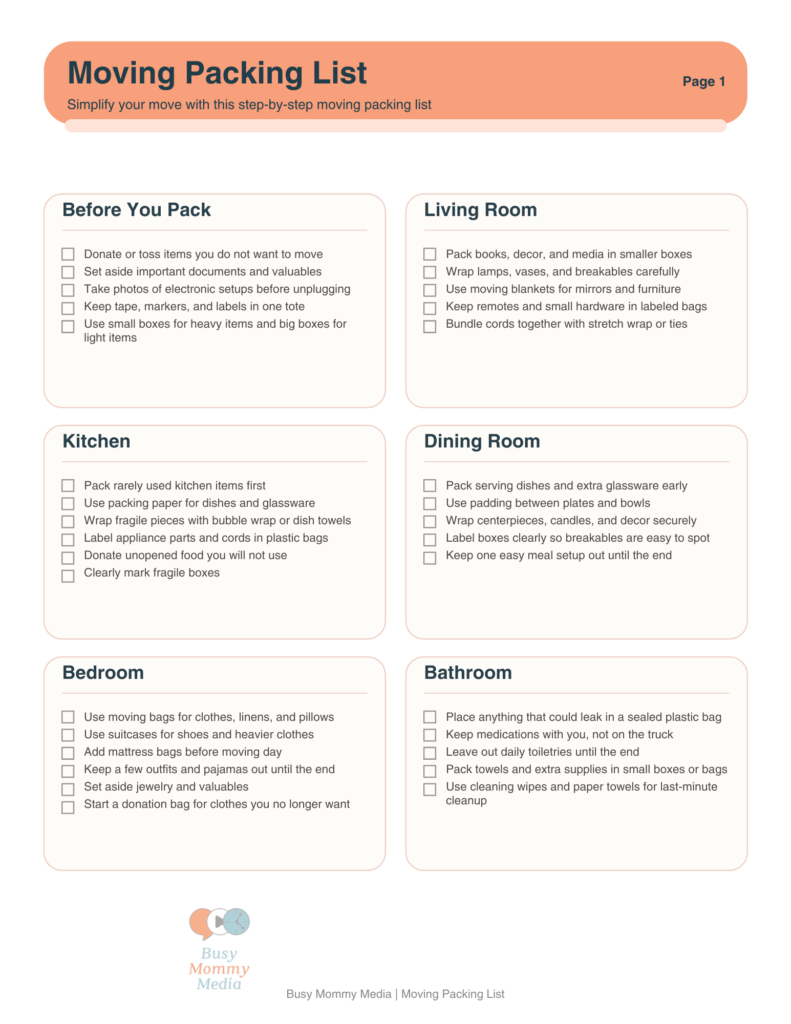
Copy this template and edit it in Canva here or download it below.
A good moving packing list can make the whole process feel less overwhelming. You do not need every moving gadget out there, but having the right boxes, tape, labels, packing paper, moving bags, and first-night essentials can save you a lot of stress.
Start with the things you do not use every day, keep your must-have items separate, and label everything better than you think you need to. Future you will be very grateful when you are not opening ten boxes just to find the phone charger, toilet paper, or clean pajamas.