How to Keep Your House Clean with Pets
Keeping your house clean with pets can feel like a constant battle, but the right routines make a big difference. These practical pet cleaning tips can help you control fur, litter, odors, muddy paws, and everyday messes without spending all day cleaning.
I love having pets in the house. I do not love having my house look like I have pets in the house.
Those are two very different things.
Over the years, we’ve had dogs, cats, birds, and enough kids running through the house to make keeping things clean feel like a full-time job. Right now, Theo and Gracie bring the dog hair, our cats make sure I never forget litter boxes exist, and Merlin can somehow launch bird debris much farther than seems physically possible.
I’ve accepted that a house with pets is probably never going to be completely spotless. That doesn’t mean it has to smell like pets or be covered in fur either.
The biggest thing I’ve learned is that keeping a house clean with pets is much easier when you prevent messes from spreading rather than constantly trying to clean the entire house.
Here are the things that make the biggest difference in our house.
Create a more cat-friendly home with furniture that works for both you and your cat. This collection includes hidden litter box furniture, cat trees, beds, feeding stations, and other stylish catification finds.
Brush Your Pets Regularly
If you have a dog or cat that sheds, one of the easiest ways to keep pet hair off your floors and furniture is to catch it before it falls off.
Regular brushing makes a surprisingly big difference.
We’ve often made brushing the dogs one of the kids’ chores. It only takes a few minutes, and I would much rather deal with the hair outside or on a brush than find it floating across the floor five minutes after I vacuum.
Keep a pet brush somewhere convenient so it actually gets used. If you have to go digging through a closet every time, it is much easier to forget.
During heavy shedding seasons, you may need to brush some pets more often.
Vacuum More Often, Not More Thoroughly

This was a mental shift for me.
You do not necessarily need to deep clean your floors every day. With pets, it is often more effective to do a quick vacuum frequently so the hair, litter, crumbs, and dirt never have a chance to spread everywhere.
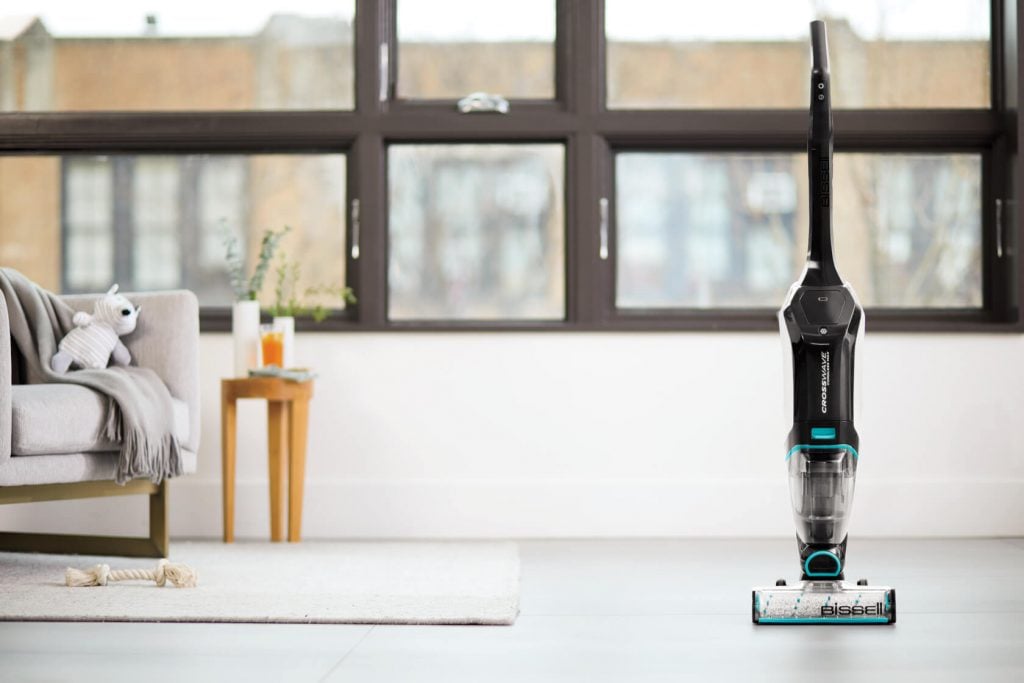
A cordless vacuum is especially useful for this because you can grab it for a two-minute cleanup without turning vacuuming into an entire event.
Robot vacuums can also be great in homes with pets, especially if you have mostly hard floors.
Just learn from every horrifying robot-vacuum-and-pet-accident story on the internet and make sure there are no surprises waiting on the floor before you let it run unattended.
Create a Pet Cleaning Station by the Door
Dogs have an impressive ability to bring half the yard inside with them.
Keep a small basket near the door you use most often with things like:
- An old towel
- Pet-safe wipes
- A paw cleaner
- A small brush
- Waste bags
If paws are muddy, clean them before your dog gets five rooms into the house.
This is especially helpful during rainy or snowy weather.
Use Washable Rugs in High-Traffic Areas
Pay attention to the paths your pets use most.
Entryways, the area around food bowls, litter box areas, and the space near the back door usually get dirty much faster than the rest of the house.
Washable rugs and runners can catch a lot of that mess.
Instead of scrubbing an entire floor, you can shake out or wash the rug.
I especially like washable rugs underneath or near pet food areas because apparently drinking water without splashing it everywhere is an unreasonable expectation.
Put Mats Under Food and Water Bowls
Pet food areas get gross quickly.
Use a waterproof or washable mat underneath bowls to catch:
- Spilled water
- Dropped food
- Crumbs
- Drool
Choose something large enough that it extends well beyond the bowls.
For particularly enthusiastic drinkers, a larger mat is worth it.
Stay on Top of the Litter Box
Cats are much easier to live with when the litter box setup actually works for your house.
Scoop litter boxes at least once a day and keep a small trash can or litter disposal system nearby so it is easy to do.
A good litter mat outside the box can also dramatically reduce how far litter travels.
If you do not love looking at a litter box, hidden litter box furniture can be a great option. There are cabinets designed to look like regular furniture while giving your cat a private space for the litter box.
Just make sure the enclosure is large enough for your cat and easy for you to open and clean. Something can look beautiful in your house and still be completely impractical if cleaning it is a pain.
Give the Litter Box More Space Than You Think It Needs
One mistake I’ve made is trying to make litter boxes too unobtrusive.
Cats generally care more about having a comfortable, accessible place to go than we care about pretending the litter box doesn’t exist.
If litter is constantly being kicked outside the box, a larger box, higher sides, or a better litter-catching setup may solve more of the problem than constantly sweeping.
And if you have multiple cats, you may need more than one litter box in different areas of the house.
Keep an Enzyme Cleaner on Hand
Pet accidents happen.
Even pets that are normally perfectly house-trained can get sick, get stressed, or decide that apparently the plant in the corner looked like an excellent alternative to the litter box.
An enzymatic pet cleaner is one of those products I always want available before I need it.
Regular household cleaners may make an area look clean, but cleaners made specifically for pet messes are designed to break down the organic material causing the odor.
Clean accidents as quickly as possible.
Protect the Furniture Your Pets Actually Use
We allow our pets on some of our furniture, so pretending they are suddenly going to stop getting on the couch is not a realistic cleaning strategy.
Instead, protect the spots they use.
Washable furniture covers and blankets make a huge difference.
It is much easier to throw a blanket in the washing machine than shampoo an entire couch.
If your pet has one favorite spot, you may only need to cover that section rather than covering the entire piece of furniture.
Buy Pet Beds With Removable Covers
Pet beds can start smelling long before you notice it.
When you are buying a new bed, look for one with a removable, machine-washable cover.
Even better, have two covers if you can.
That way, you can put a clean cover on immediately instead of having the pet reclaim your couch while you wait for their bed to finish washing.
Wash Pet Bedding Regularly
Pet beds, crate pads, blankets, and washable toys can hold a surprising amount of hair and odor.
Add them to your regular laundry rotation instead of waiting until they obviously need to be washed.
I find it much easier to maintain things when pet laundry is just part of the routine.
Keep Pet Hair Tools Where You Need Them
There is no reason all your cleaning supplies need to live in one central location.
Keep a lint roller near the couch.
Keep another near the door if you regularly discover dog hair on yourself five seconds before leaving.
A reusable pet hair remover can also work well on couches, upholstered chairs, stairs, and car seats.
Cleaning tools are much more likely to get used when they are within reach.
Choose Furniture and Fabrics With Pets in Mind
If you are replacing furniture anyway, think about your pets before choosing the fabric.
Some fabrics trap pet hair much more than others, and loosely woven fabrics can snag easily on claws.
Look for durable, easy-to-clean upholstery.
Color matters too. You do not necessarily need furniture that perfectly matches your pet, but there is a noticeable difference between one stray white hair on a black couch and the same hair on a more forgiving fabric.
Use Baskets to Contain Pet Stuff
Pets come with an unbelievable amount of stuff.
Leashes. Brushes. Toys. Treats. Medications. Nail clippers. Waste bags. Harnesses.
Give everything a home.
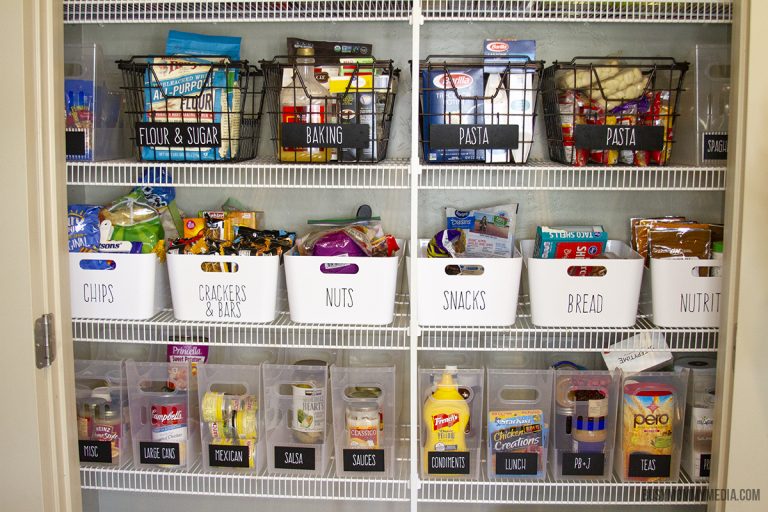
We use baskets in several areas of our house because I do not need the pet supplies perfectly organized. I just need somewhere to toss them so they are not scattered everywhere.
A basket for pet toys also makes it easy to do a quick cleanup at the end of the day.
Whether the pets leave the toys in that basket is another issue entirely.
Clean Pet Toys Too
Pet toys get dragged across floors, carried outside, chewed, slobbered on, and then dropped directly onto your couch.
Wash washable toys regularly and throw out toys that are falling apart.
Hard toys can often be wiped clean, while many fabric toys can go through the washing machine. Always check the manufacturer’s cleaning instructions first.
Keep Bird Mess Contained
Birds create an entirely different kind of mess.
The best strategy I’ve found is to create a cleaning zone around the cage instead of expecting seeds, feathers, and debris to politely stay inside it.
Use an easy-to-clean mat beneath or around the cage and keep a small vacuum nearby.
Cleaning the area quickly every day is much easier than waiting until seed hulls have somehow migrated across the entire room.
Clean Baseboards and Corners More Often
Pet hair loves edges.
Even when the middle of the floor looks clean, fur tends to collect along:
- Baseboards
- Furniture legs
- Stairs
- Under cabinets
- Behind doors
- Room corners
Every so often, use a vacuum attachment or microfiber cloth to hit these areas specifically.
It makes the entire room feel cleaner.
Have a Plan for Muddy Days
If you have dogs, there will eventually be mud.
Plan for it before it happens.
Keep towels by the door and teach your dogs to pause when they come inside instead of immediately racing through the house.
If your yard has one particularly muddy path, an outdoor mat or washable runner just inside the door can catch a lot of dirt before it goes farther.
Don’t Forget Your Pet’s Favorite Window
Dogs and cats who spend time looking out windows leave behind nose prints surprisingly quickly.
Fortunately, this is one of the easiest pet messes to fix.
Add the windows and glass doors your pets use most often to your regular quick-clean routine.
You do not have to clean every window in the house. Just hit the ones currently covered in pet nose art.
Consider an Air Purifier
An air purifier can be useful in rooms where pets spend a lot of time.
Look for one appropriately sized for the room and pay attention to the cost and availability of replacement filters before buying.
If you have several pets, you may find that filters need to be changed or cleaned more frequently than the manufacturer estimates.
Give Everything a Quick Reset at Night
One of the best things I can do is spend a few minutes resetting the main living area before bed.
That might mean:
- Running the vacuum through the busiest areas
- Scooping the litter box
- Putting pet toys back in a basket
- Wiping around food bowls
- Tossing dirty pet blankets in the laundry
- Cleaning any obvious nose prints or muddy paw marks
You do not need to deep clean your house every night.
Five or ten minutes of maintenance can prevent a lot of little pet messes from turning into one giant cleaning project later.
You Can Have a Clean House With Pets
A house with pets is going to look lived in.
Mine definitely does.
The goal for me isn’t a perfectly spotless house. It is keeping the fur, litter, dirt, smells, and random pet messes manageable enough that I can enjoy having animals in my home without constantly feeling like I need to clean.
The trick is setting up your home so the easiest choice is also the cleanest one.
Put washable things where pets make messes. Keep cleaning supplies near the places you actually use them. Catch fur before it lands everywhere. Contain litter before it travels across the house.
And accept that occasionally you are still going to find pet hair somewhere that makes absolutely no sense.